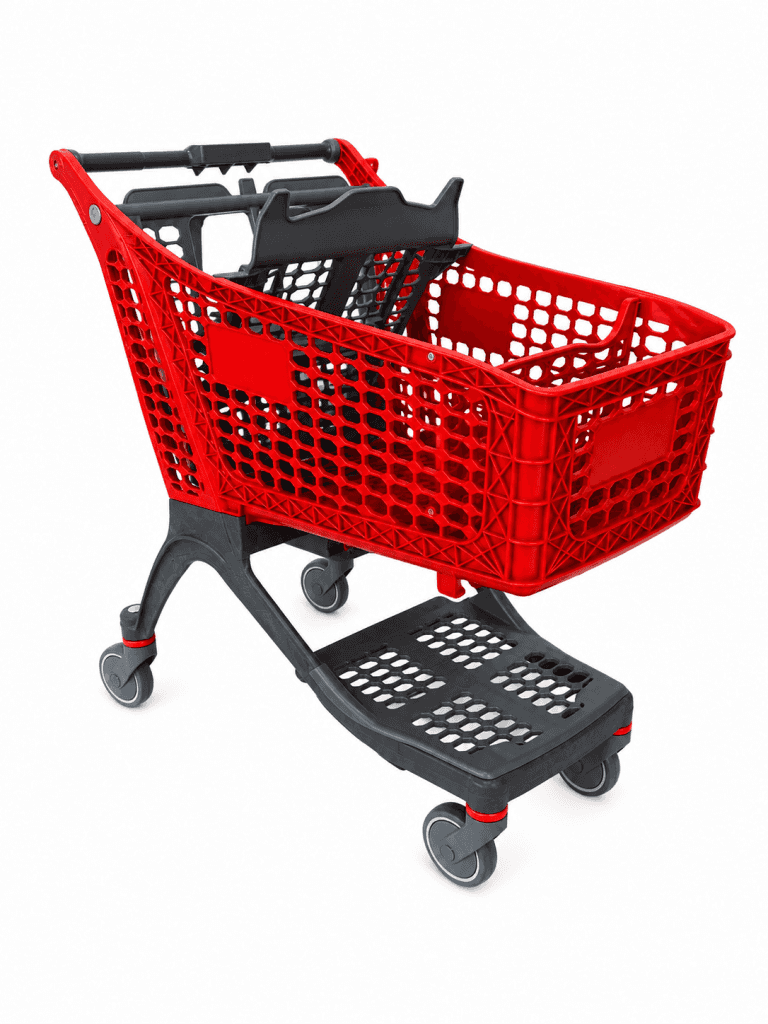
01
Start with the store use case
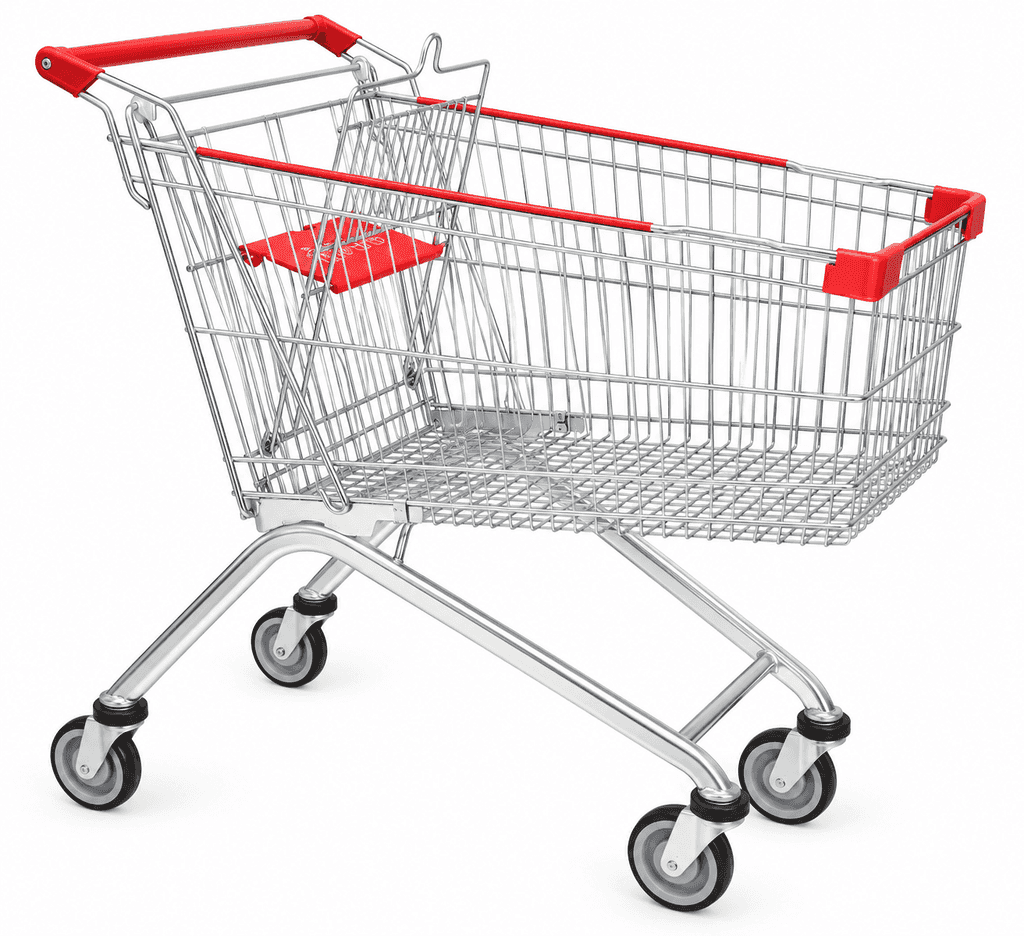
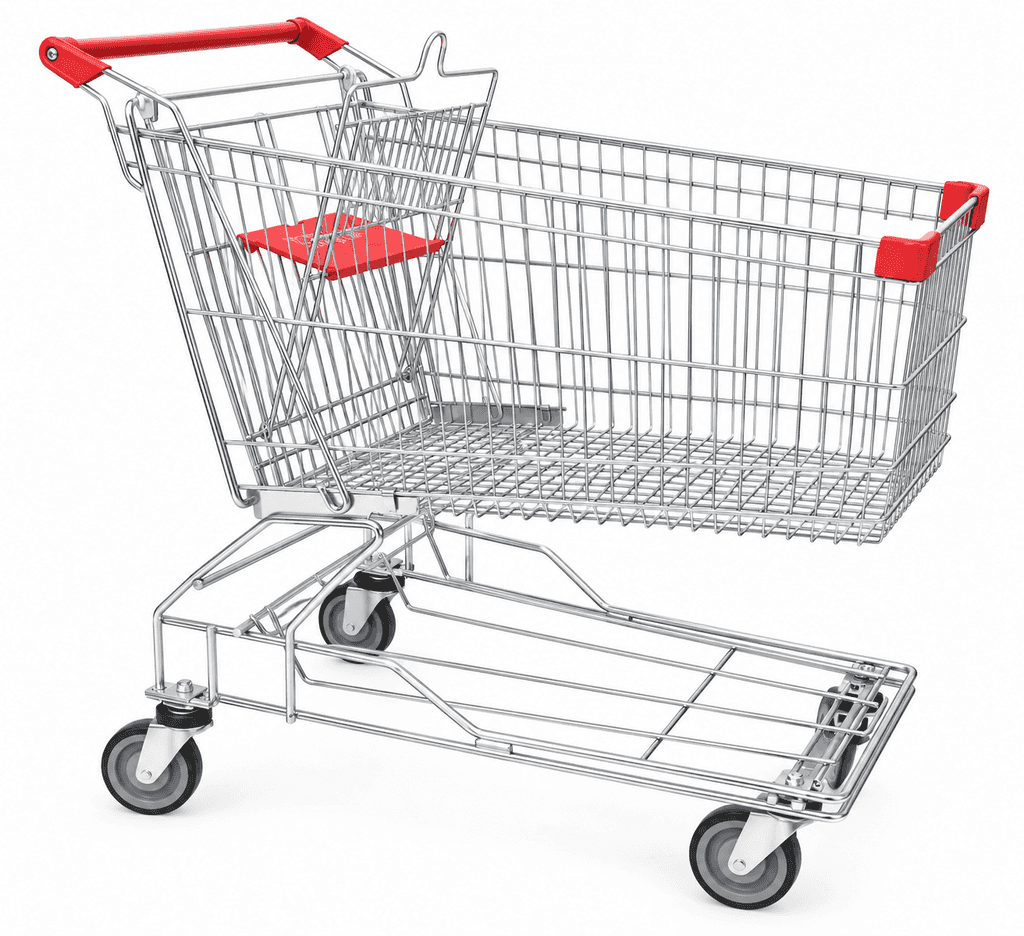
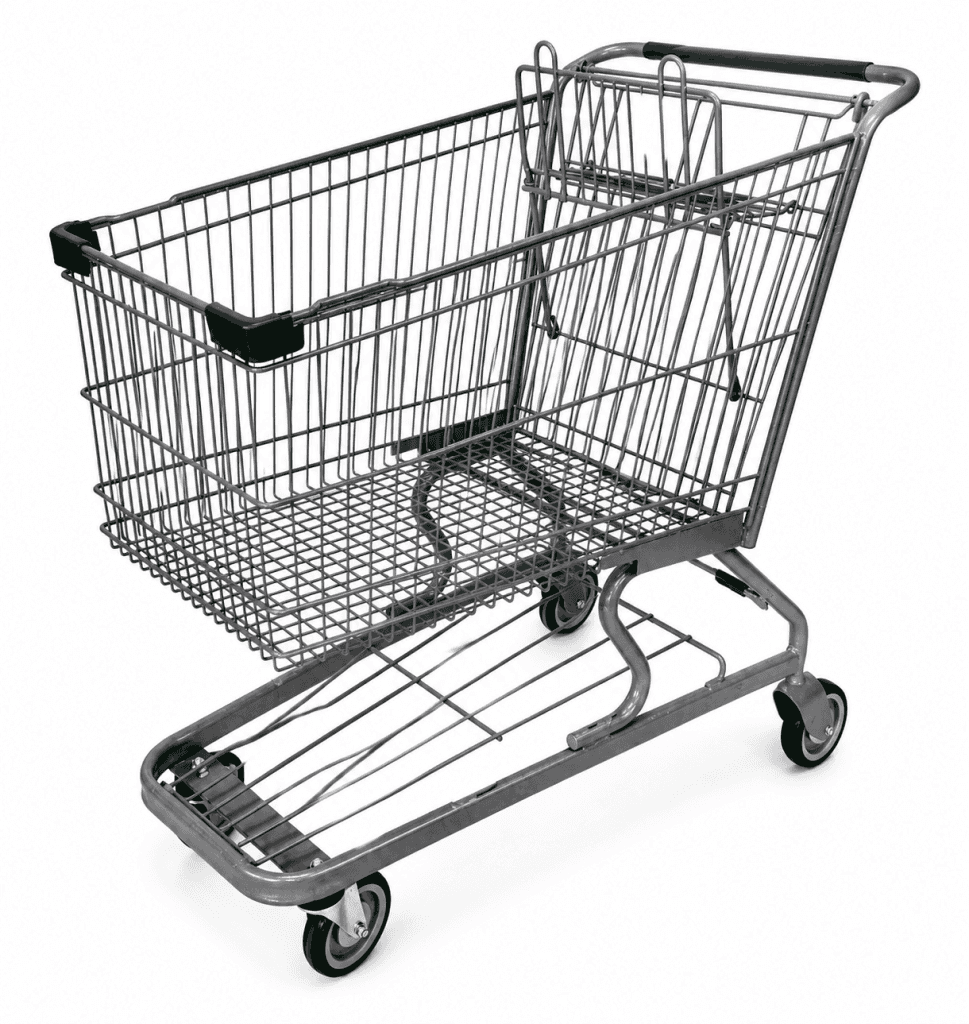
Hypermarkets, community supermarkets, convenience stores and warehouse retail formats need different capacities, circulation performance and parking space. Before selection, clarify store size, typical basket load, bulk-goods handling and whether the route includes ramps, travelators or wet areas.
This helps define basket volume, lower shelf, child seat, coin lock and caster requirements instead of comparing models on price alone.
02
Capacity and nesting
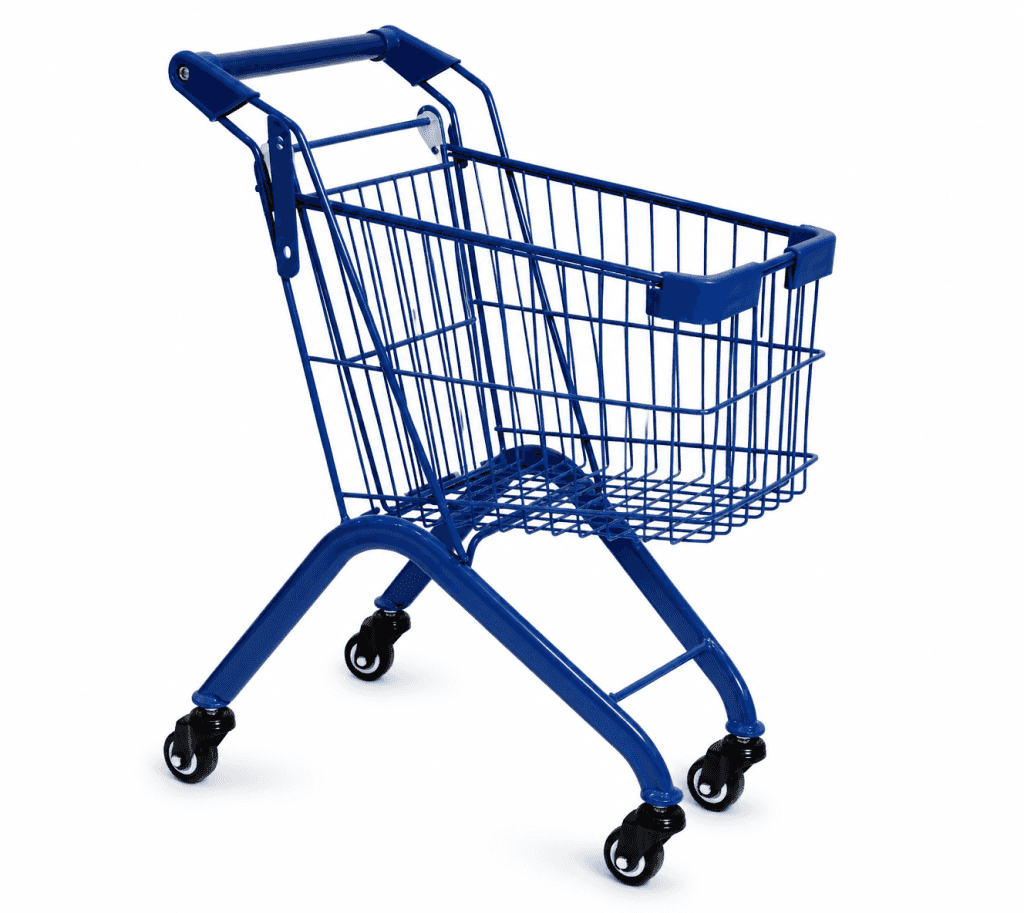
Capacity should reflect typical shopping volume. Larger options suit family and bulk purchases, while compact trolleys work well where space is limited or customer turnover is fast.
Also confirm the footprint of nested trolleys, parking-bay length and collection flow. Nesting geometry, front-wheel layout and selected accessories all affect day-to-day store operations.
03
Structure, casters and maintenance
Frame construction, basket, lower shelf and connection points should suit the intended load and frequency of use. Caster material, diameter and rolling performance should be assessed against flooring, noise expectations and travelator use where relevant.
If future replacement of casters, handles or coin locks is expected, confirm compatibility and spare-part planning at the start of the project.