01
What can be customised
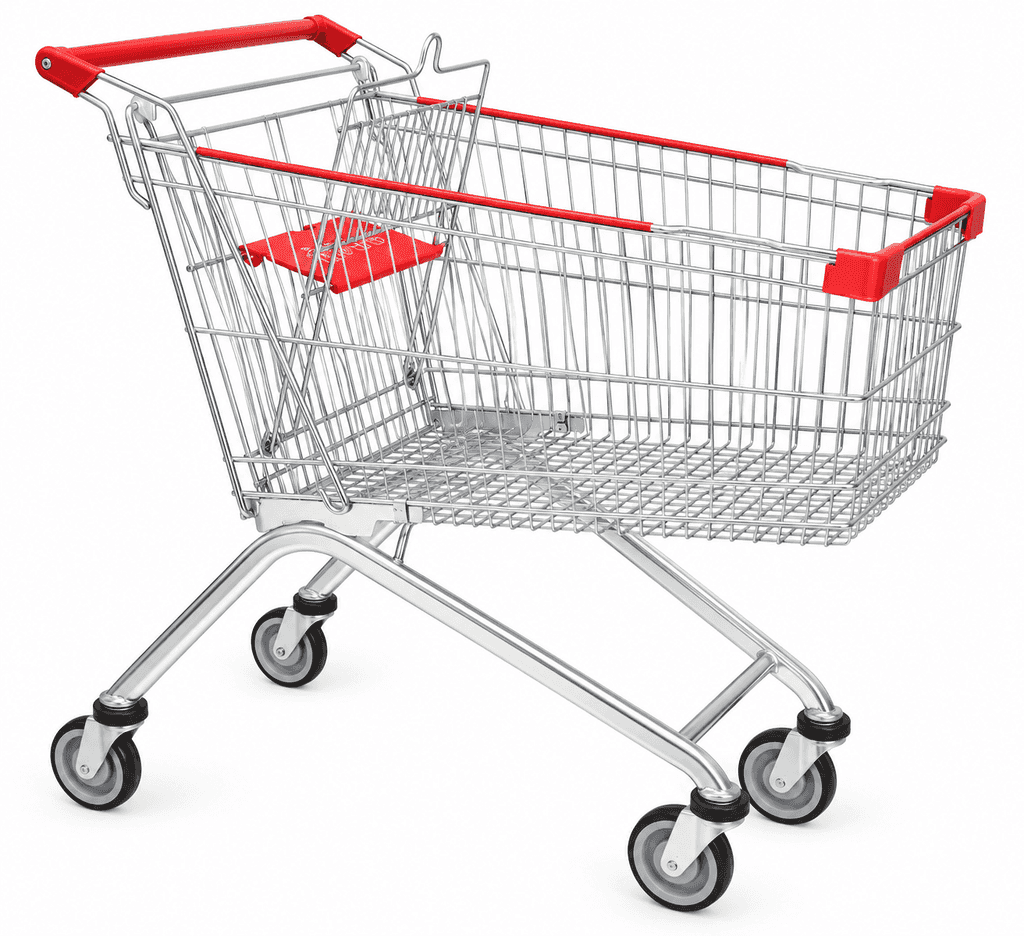
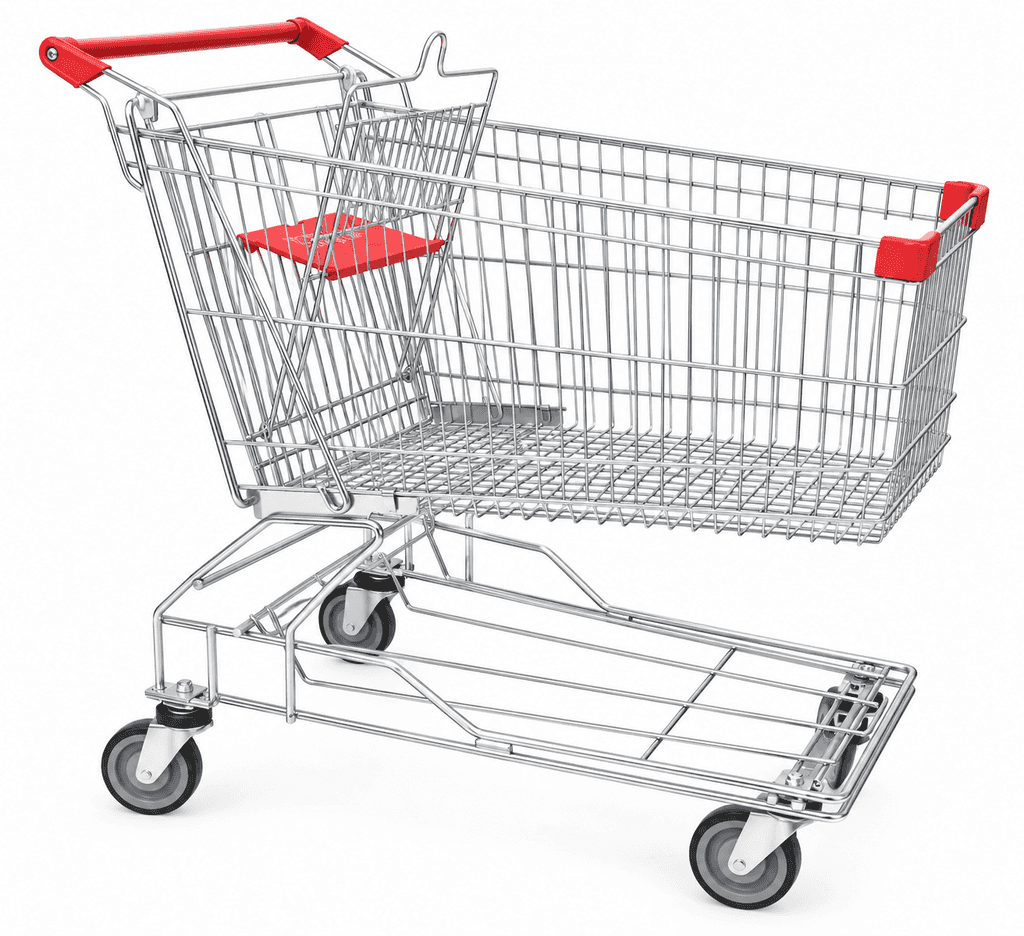
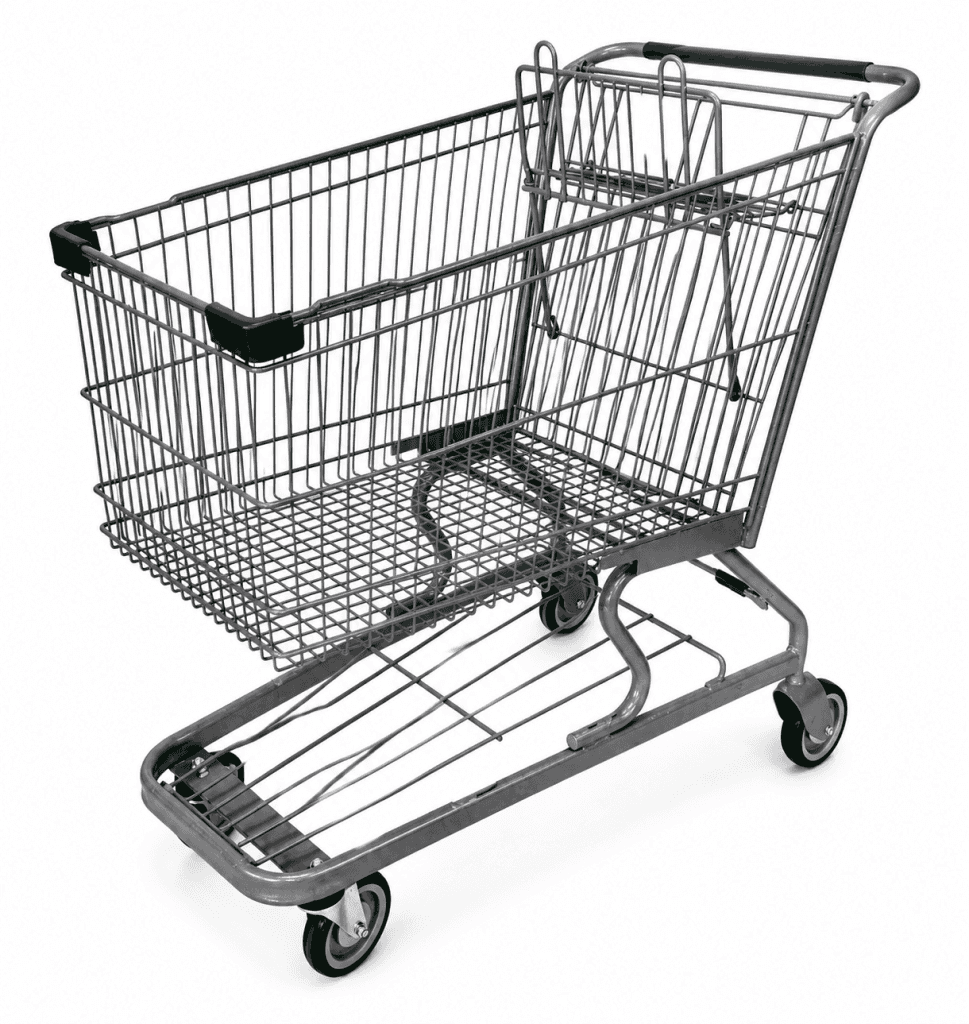
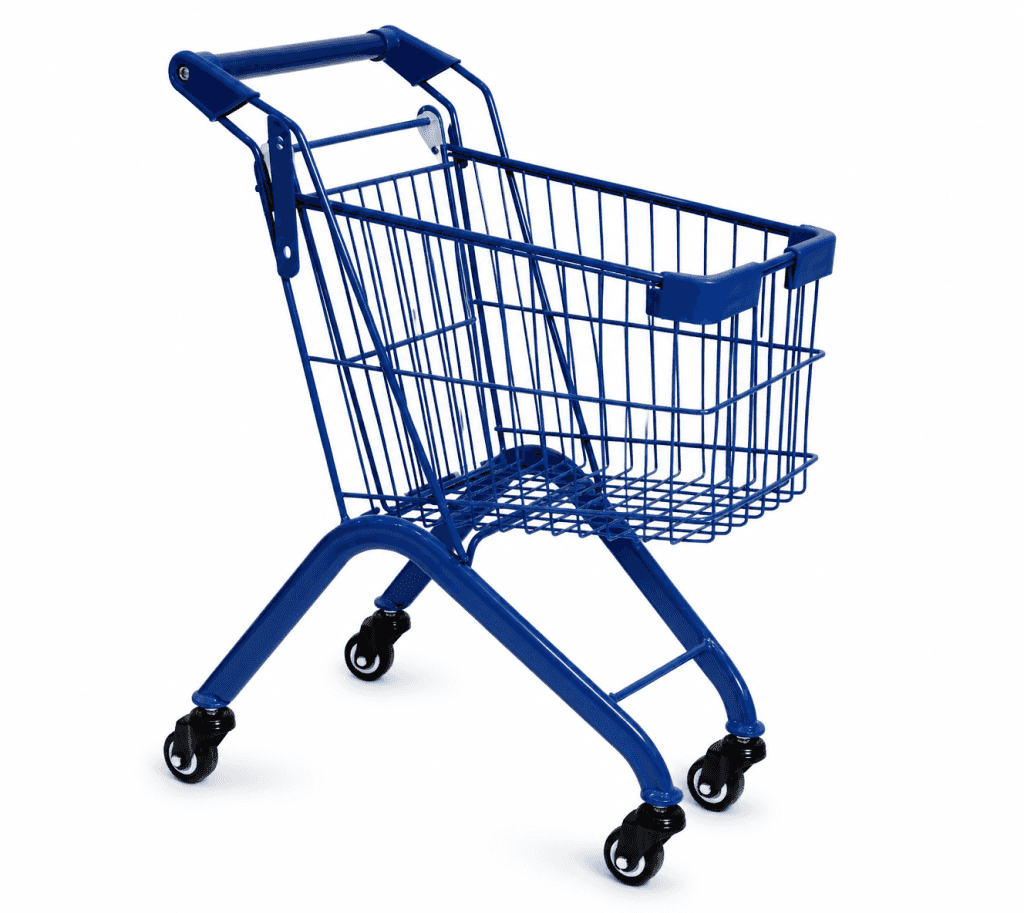
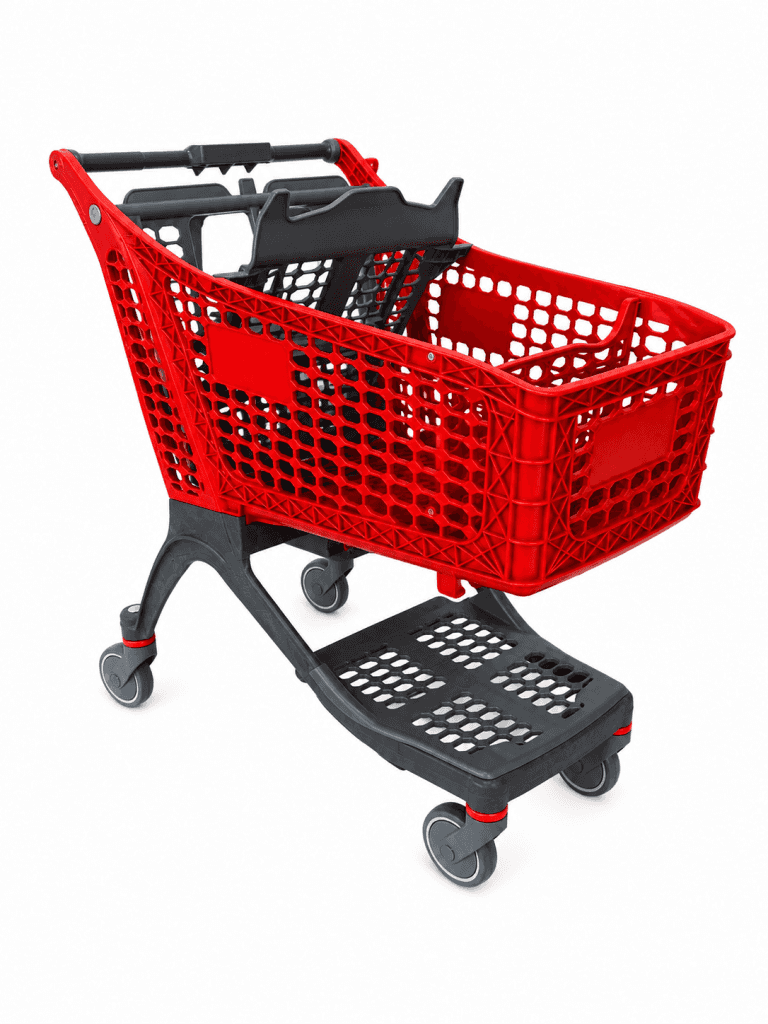
Projects can assess dimensions, basket and base structure, colour, branding, handles, casters, coin locks, child seats and packaging. Customisation does not mean every element needs changing; priorities should follow operational and brand requirements.
Reference images, existing samples, store standards or target quantity help produce a more efficient proposal.
02
From engineering review to sample confirmation
Engineering review considers structure, materials, function, manufacturability and project requirements. Once a direction is confirmed, key dimensions, colours, components and packaging can be checked in more detail.
Samples and written confirmation help purchasing, engineering and production work to the same standard.
03
Typical project requirement combinations
These common requirement combinations help guide selection and are not descriptions of specific customer projects: chain-store upgrades may prioritise brand colour, nesting and future spare parts; compact stores may prioritise trolley size, steering and parking; bulk-goods retail may assess capacity, lower shelf and load requirements.
Every project remains subject to actual store conditions, the approved model and the confirmed technical proposal.
04
Production and project delivery
Production planning, inspection, packing and transport follow the approved specification. MOQ, lead time and delivery arrangements vary with model, custom scope, quantity and destination market.
Clarifying these conditions early lets the purchasing plan align with store rollout timing.